Group Techniques: Just How to Collaborate Effectively in a Retreat Space
Navigating the complexities of an escape area demands even more than mere excitement; it calls for a well-coordinated strategy grounded in clear communication, tactical function jobs, and proficient time management. Groups have to actively listen per participant's insights, designate functions that line up with private staminas, and keep regular check-ins to ensure emphasis and avoid redundancy. By cultivating an atmosphere that values cohesion and adaptability, groups can substantially increase their performance and success prices. The nuances of these approaches can change the experience, yet exactly how exactly can they be implemented to make the most of the possibility for success?
Establish Clear Interaction

To facilitate clear interaction, it is necessary to designate a central factor of contact for information dissemination. This role includes summarizing searchings for and recommended techniques to make certain everybody continues to be on the same page. In addition, embracing a methodical approach to discussions can stop disorderly exchanges. For example, short, concentrated updates from each employee can keep the group notified without frustrating them with info.
Appoint Functions Strategically
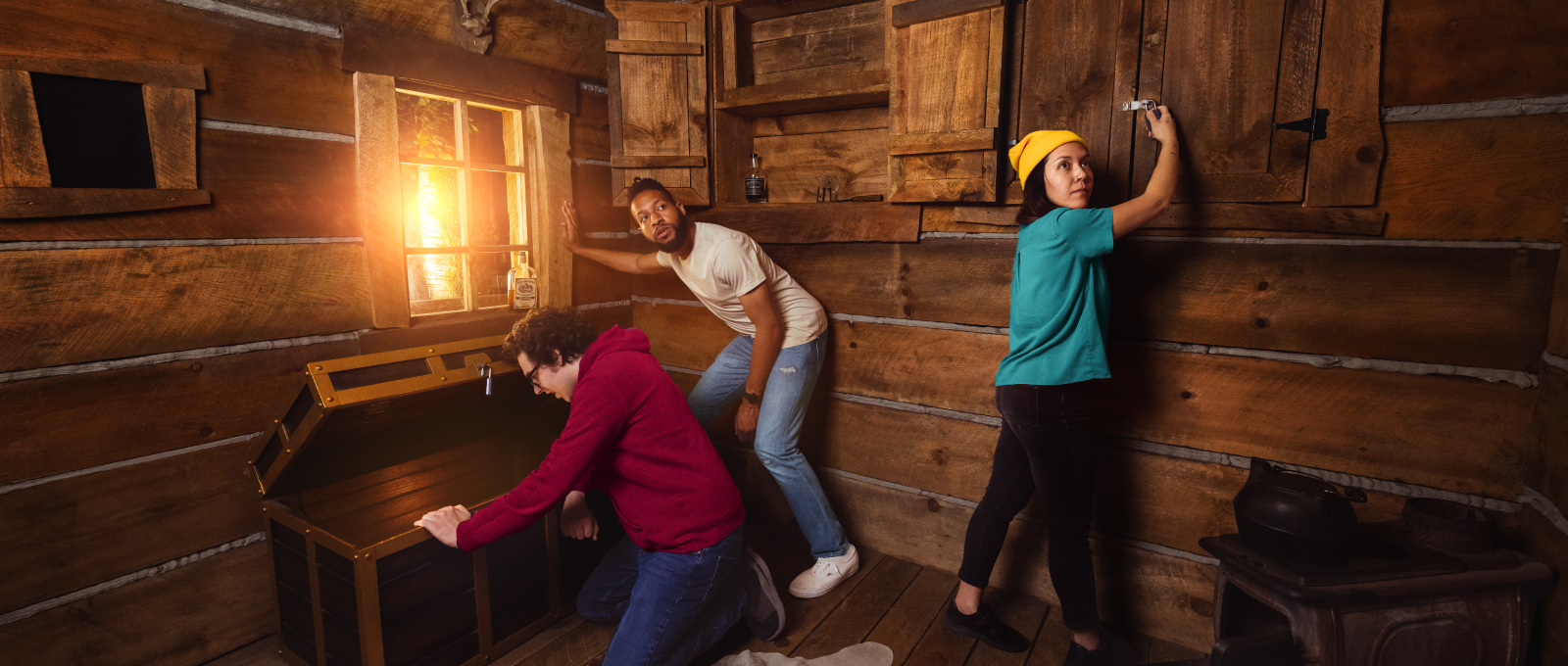
While clear communication sets the structure for effective synergy, assigning functions strategically ensures that each team participant's staminas are made use of successfully. In a retreat space circumstance, the time-sensitive and complex nature of obstacles demands a well-organized strategy to task delegation. By determining and leveraging private competencies, teams can maximize their problem-solving capabilities and improve total performance.
First, evaluate the distinct abilities and attributes of each participant. For example, someone with an eager eye for information may master locating covert items, while a sensible thinker can be better suited to fixing challenges - best escape room. It's similarly crucial to have a leader that can oversee development, handle the timeline, and make definitive telephone calls when necessary. This role commonly calls for solid organizational and interpersonal skills.
Second, make sure that duties are versatile and adaptable. As new challenges arise, the group needs to have the ability to pivot, reapportioning jobs as required. This adaptability helps maintain momentum and protects against traffic jams that might happen as a result of rigid duty jobs.
Inevitably, a tactical strategy to function task not only makes the most of the staminas of each staff member yet likewise cultivates a natural atmosphere, driving the team towards an effective escape.
Utilize Diverse Abilities
Acknowledging and utilizing the varied abilities within your group can substantially elevate your performance in a getaway area. Each staff member brings distinct staminas to the table, and efficiently leveraging these capacities can quicken problem-solving and improve overall effectiveness. For instance, a staff member with strong logical abilities could excel at decoding complicated codes or patterns, while one more with keen empirical capacities may swiftly spot surprise clues that could forget.
Encourage group participants to articulate their understandings and concepts quickly, guaranteeing that all prospective remedies are thought about. Furthermore, assigning jobs that line up with each participant's toughness can avoid bottlenecks and make certain that progression is continual.
Furthermore, variety in abilities usually translates to diversity in thinking styles, which is invaluable in an escape room setting. While some obstacles might need logical thinking and precision, others might gain from creative and association of ideas. By recognizing and leveraging this variety, groups can resolve a broader variety of obstacles a lot more properly, consequently enhancing their chances of an effective getaway.
Manage Time Successfully

First, allot first minutes for a fast study of the space. Determine visible problems and separate jobs based on employee' strengths, guaranteeing that nobody is still. Set internal time checkpoints to evaluate progression regularly; for example, purpose to have half the problems fixed by the mid-point of the game. This practice can assist keep the group concentrated and prevent time from slipping away unnoticed.
In addition, prevent one-track mind. If a challenge is taking also index long, turn staff member or go on to another challenge, returning later on with fresh point of views. Interaction is critical-- keep everyone upgraded on resolved challenges and continuing to be tasks to avoid redundant initiatives.
Finally, make use of any kind of tips or hints sparingly yet tactically - best escape room. Knowing when go to this website to request for aid can save useful time. By adhering to these time administration principles, teams can considerably boost their chances of an effective and enjoyable escape space experience
Debrief and Mirror
Reflection is a crucial facet of team advancement and renovation in the context of escape areas. Once the difficulty is finished, whether successfully or not, it is essential for the group to involve in a structured debriefing session. This procedure enables employee to analyze their performance, identify staminas, and identify locations for improvement.
Start the debrief by reviewing what went well. Highlight particular instances of reliable interaction, problem-solving, and partnership. Identifying these positive habits enhances them and urges their rep in future difficulties.
Review minutes of complication, miscommunication, or inefficient approaches. Urge an open and useful discussion where group members can share their perspectives without fear of objection.
Conclusion
To conclude, successful collaboration in an escape area is asserted upon clear interaction, critical function projects, the efficient utilization of varied abilities, and skillful time administration. Regular check-ins and structured debriefings are essential for keeping emphasis and promoting continual enhancement. By creating a natural and adaptive group setting, the chance of effectively solving problems and achieving the Website purpose of getting away the room is significantly improved. This method not only makes sure success but also promotes cumulative growth and learning.